Dear Kindergarten and First Grade Parents and Guardians,
This week, we are continuing our unit on problem solving. Last time we met, we discussed the importance of being a calm problem solver. When we are calm, we are able to do our best thinking to brainstorm and choose strategies to solve challenging problems. During our last lesson, we practiced slow counting to ten and taking three deep breaths, both of which can be helpful calming techniques. For this lesson, I introduced yoga and mindfulness as other strategies that can help make us feel calm.
As part of the lesson, students learned some basic yoga poses and techniques. Specifically, we discussed (and you can see in the pictures in this post):
· Balloon Breath: As students breathed in through their noses, they pictured their stomachs filling up like a balloon. When they exhaled, they pictured the balloon shrinking.
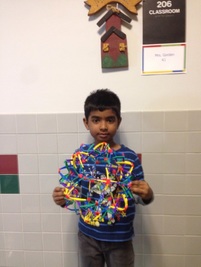
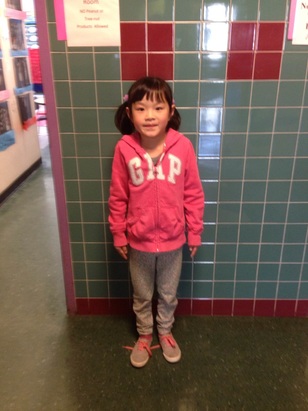
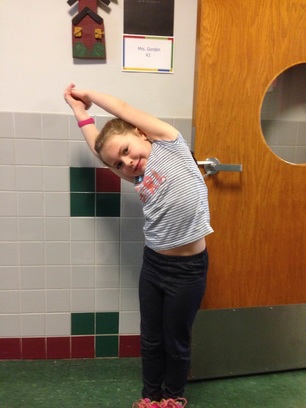
·Standing Mountain: Students stood up with their arms at their sides and feet hip width apart. They pictured themselves standing strong like a mountain. Then, they stretched their arms over their heads to create a pose called Crescent Moon.
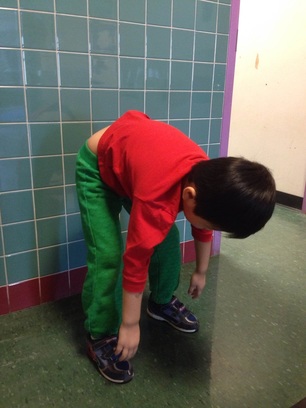
· Ragdoll: Students then bent over and let their head and arms hang toward the ground. They spent some time taking balloon breaths in this bent pose.
We ended the lesson by going on an imagination vacation. Students closed their eyes and imagined they were at the beach, which is a calming place for many people. By thinking about the sights, sounds, and smells of a place many of them enjoy, they were able to bring the calm sense of being at the beach right into their classroom.
We will continue to incorporate these strategies and techniques into our guidance lessons. If you are interested, consider trying them at home. There are many great resources available for teaching children yoga techniques. Research shows that yoga and mindfulnees can support an improved sense of calmness and well being, and the best part, children really enjoy it!
Sincerely,
David Starr
School Counselor, Armstrong Elementary School
PH: (508) 836-7760 Email: [email protected]
This week, we are continuing our unit on problem solving. Last time we met, we discussed the importance of being a calm problem solver. When we are calm, we are able to do our best thinking to brainstorm and choose strategies to solve challenging problems. During our last lesson, we practiced slow counting to ten and taking three deep breaths, both of which can be helpful calming techniques. For this lesson, I introduced yoga and mindfulness as other strategies that can help make us feel calm.
As part of the lesson, students learned some basic yoga poses and techniques. Specifically, we discussed (and you can see in the pictures in this post):
· Balloon Breath: As students breathed in through their noses, they pictured their stomachs filling up like a balloon. When they exhaled, they pictured the balloon shrinking.
·Standing Mountain: Students stood up with their arms at their sides and feet hip width apart. They pictured themselves standing strong like a mountain. Then, they stretched their arms over their heads to create a pose called Crescent Moon.
· Ragdoll: Students then bent over and let their head and arms hang toward the ground. They spent some time taking balloon breaths in this bent pose.
We ended the lesson by going on an imagination vacation. Students closed their eyes and imagined they were at the beach, which is a calming place for many people. By thinking about the sights, sounds, and smells of a place many of them enjoy, they were able to bring the calm sense of being at the beach right into their classroom.
We will continue to incorporate these strategies and techniques into our guidance lessons. If you are interested, consider trying them at home. There are many great resources available for teaching children yoga techniques. Research shows that yoga and mindfulnees can support an improved sense of calmness and well being, and the best part, children really enjoy it!
Sincerely,
David Starr
School Counselor, Armstrong Elementary School
PH: (508) 836-7760 Email: [email protected]

 RSS Feed
